


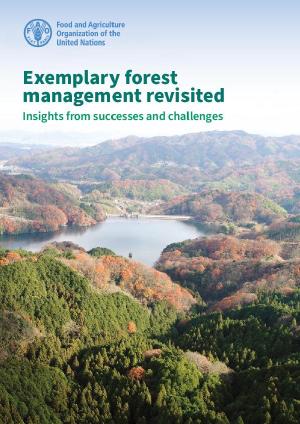
The Luba Caldera Scientific Reserve in Equatorial Guinea is a biologically rich and ecologically complex area located on the southern slopes of Bioko Island. It hosts rare natural phenomena, diverse ecosystems across elevation gradients, and cultural heritage sites, making it a candidate for UNESCO World Heritage designation. The reserve supports high biodiversity, including 11 primate species, 2,000 plant species, and over 280 bird, reptile, and amphibian species. It provides vital ecological services and holds strong potential for ecotourism. This report reviews the ecological and management changes in the reserve over the past 20 years since the initial FAO assessment.
This work is licensed under CC-BY 4.0
This work is licensed under CC-BY 4.0
Export citation:
RIS (.ris)
Endnote (.ciw)
Publication year
2025
ISBN
978-92-5-140138-5
Authors
Language
English
Keywords
amphibians, biodiversity, ecotourisms, forest ecosystem, monitoring, primates, protected areas, rain forests, tropical forests
Source
Exemplary forest management revisited: Insights from successes and challenges. FAO: Rome, ItalyGeographic
Equatorial Guinea


